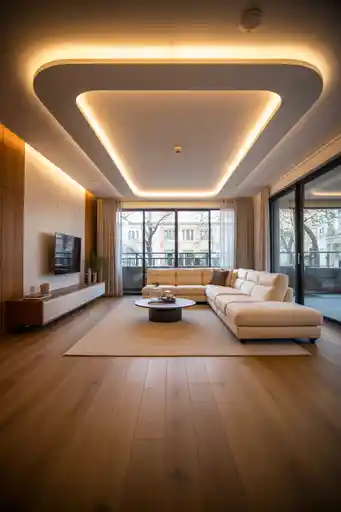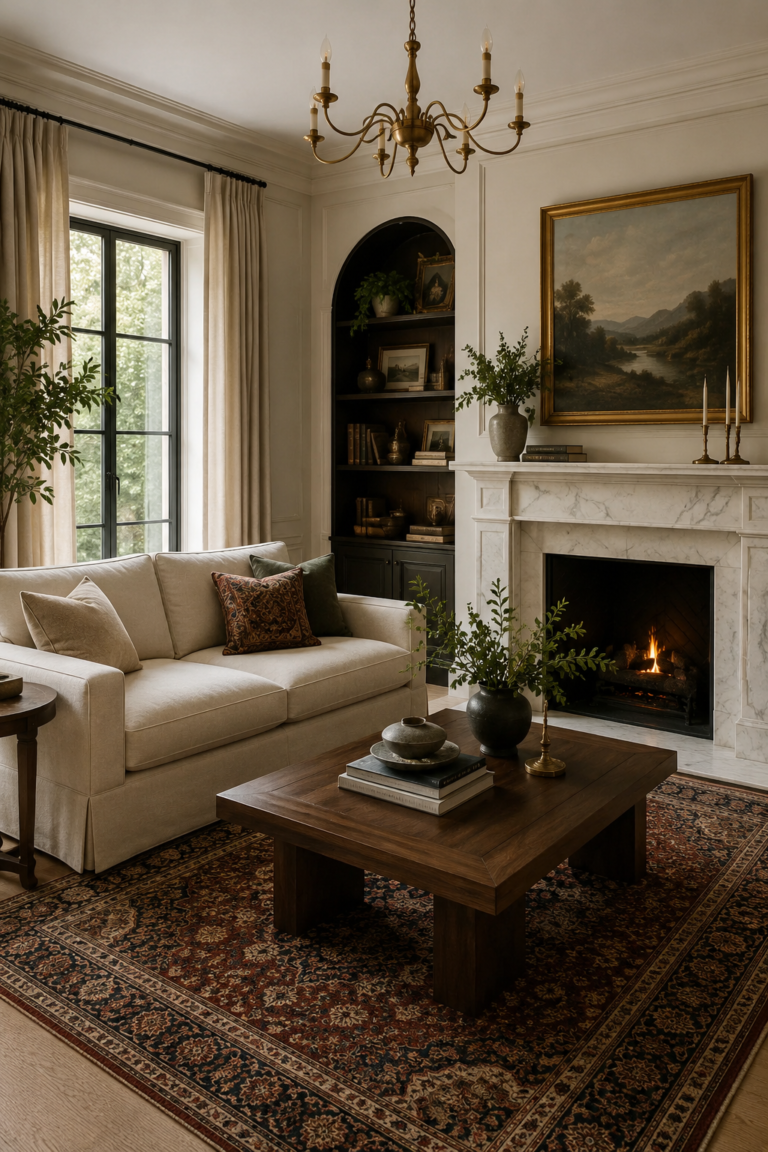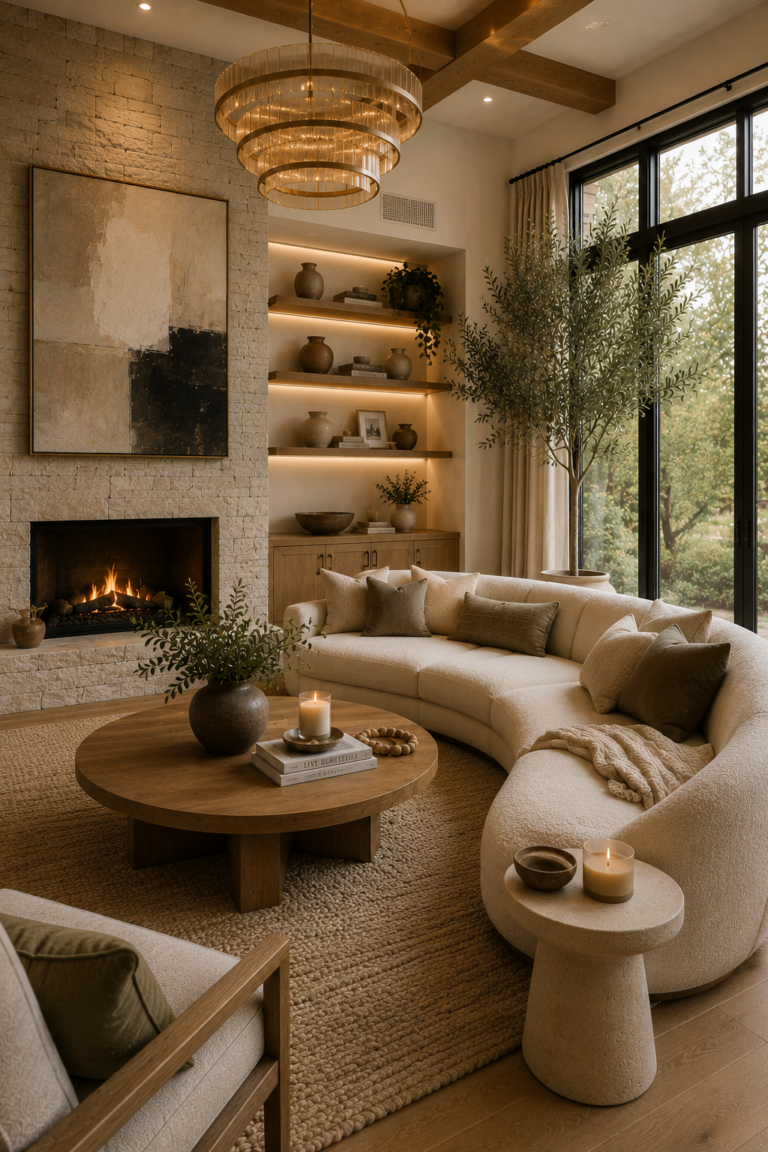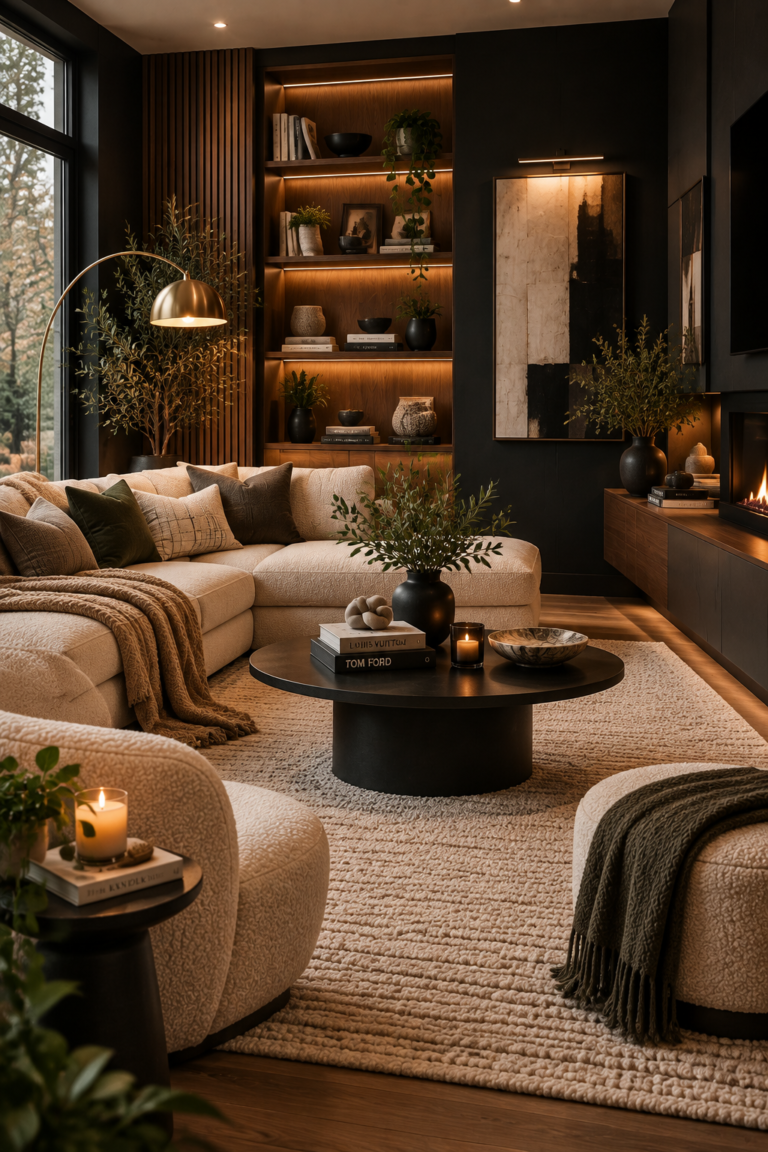
15 Designer Small Living Room Ideas That Maximize Space
A small living room does not have to feel cramped or limiting. With thoughtful layouts, designer-inspired furniture, layered lighting, and carefully chosen décor, even the most compact spaces can become elegant, functional, and inviting. The secret lies in maximizing every square foot while maintaining a balanced, uncluttered appearance that feels both comfortable and stylish.
Whether you love modern minimalism, cozy Scandinavian interiors, or luxurious contemporary designs, these small living room ideas provide practical inspiration for creating a space that looks larger than it really is. Each concept combines smart design solutions with timeless style, helping you transform your living room into a beautiful retreat that is perfect for relaxing, entertaining, and everyday living.
1. Light Neutral Color Palette
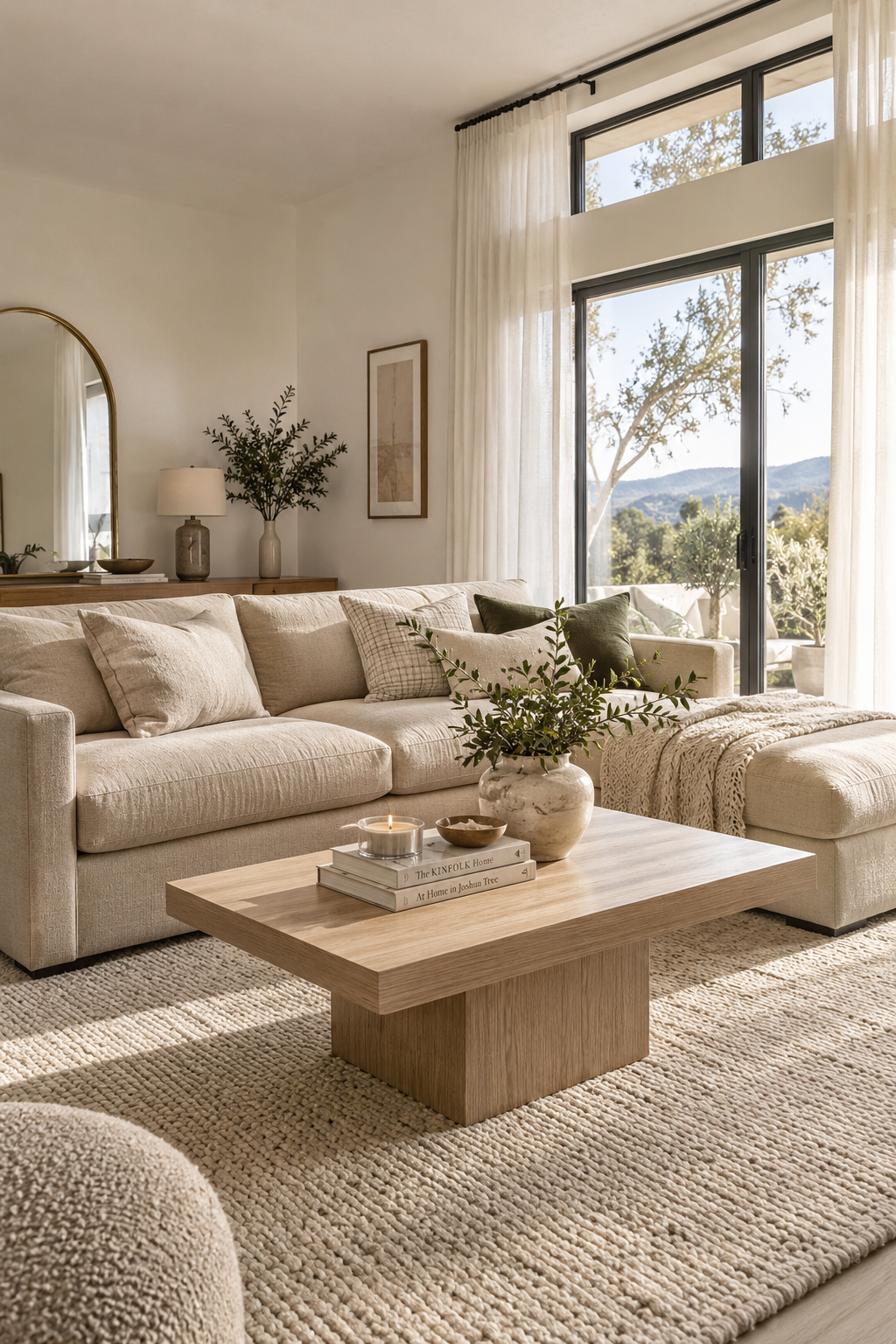
A light neutral palette instantly opens a compact living room by reflecting natural light throughout the space. Shades of ivory, warm white, beige, and soft taupe create a calm foundation that feels airy rather than confined. Designer interiors often layer several neutral tones together to build depth without overwhelming the room. Adding natural textures like woven baskets, linen cushions, and light wood furniture enhances warmth while maintaining an uncluttered appearance.
The beauty of neutral interiors lies in their timeless versatility. Small decorative accents such as black metal frames, ceramic vases, or greenery provide subtle contrast without making the room appear busy. Large windows paired with sheer curtains maximize daylight, making walls visually recede. This simple combination creates a sophisticated designer look that feels significantly larger while remaining cozy and welcoming for everyday living.
2. Built-In Wall Storage
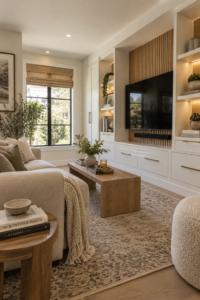
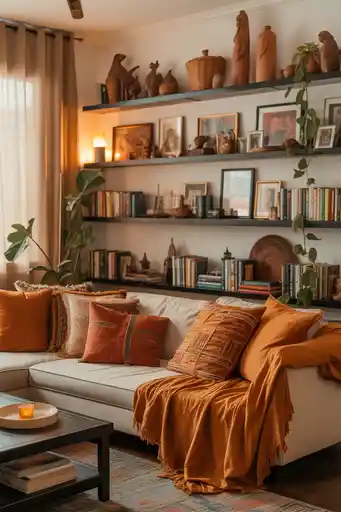
Built-in storage transforms unused wall space into beautiful functional storage while reducing visual clutter. Floor-to-ceiling shelving creates a custom designer appearance and provides room for books, decorative objects, baskets, and artwork. Closed cabinets underneath conceal everyday essentials, keeping surfaces clean and organized. This tailored solution allows every inch of wall space to serve a purpose without sacrificing style.
Combining open shelves with concealed storage maintains balance throughout the room. Decorative objects should be displayed selectively with generous spacing to preserve an airy atmosphere. Integrated lighting inside shelving adds warmth during evenings while highlighting curated décor. A seamless built-in design eliminates bulky furniture pieces, making even the smallest living room feel polished, spacious, and thoughtfully planned.
3. Multifunctional Furniture
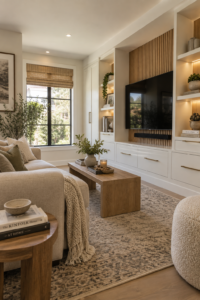
Designer small spaces rely heavily on multifunctional furniture that performs multiple roles without occupying unnecessary floor area. Storage ottomans hide blankets while providing extra seating, nesting tables can be separated when guests arrive, and modular sofas adapt to changing layouts. Choosing furniture with hidden storage helps reduce clutter while maintaining a clean, sophisticated appearance.
Flexible furniture makes everyday living more practical without compromising aesthetics. Pieces that fold, stack, or expand allow homeowners to adjust the room depending on activities throughout the day. Clean lines and elevated legs prevent furniture from appearing bulky, allowing light to flow underneath. These versatile solutions maximize functionality while preserving the elegant simplicity found in professionally designed interiors.
4. Floor-to-Ceiling Curtains
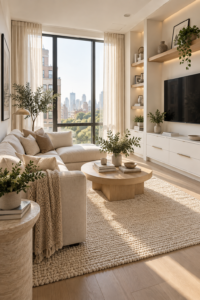
Floor-to-ceiling curtains visually extend wall height, making ceilings appear taller than they actually are. Hanging curtain rods close to the ceiling rather than directly above the window creates the illusion of grand architectural proportions. Soft linen fabrics gently diffuse sunlight while maintaining brightness throughout the room. This simple designer technique dramatically changes spatial perception.
Choosing curtains that closely match the wall color helps create visual continuity instead of interrupting vertical lines. Lightweight fabrics move naturally with airflow, adding softness and elegance without overwhelming compact interiors. Full-length drapery also introduces texture and warmth, making the living room feel inviting while enhancing the sense of openness that every small space benefits from.
5. Floating TV Wall
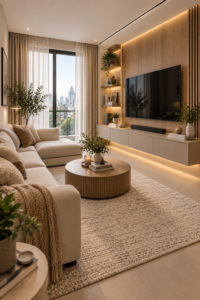
A floating TV unit keeps valuable floor space visible, creating the illusion of a larger room. Mounted cabinets conceal electronics while maintaining a streamlined appearance free from tangled wires or bulky entertainment centers. Floating furniture contributes to an uncluttered aesthetic because more of the flooring remains visible underneath.
Adding subtle LED backlighting behind the television introduces depth while reducing harsh screen contrast during evening viewing. Decorative shelves placed nearby can display artwork and plants without overcrowding the wall. The combination of hidden storage and clean architectural lines creates a luxurious designer feature that enhances both functionality and visual spaciousness.
6. Oversized Statement Mirror
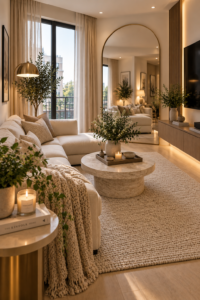
Large mirrors are one of the oldest designer tricks for visually expanding compact interiors. Positioned opposite windows, they reflect natural light throughout the room while doubling the perception of available space. Oversized mirrors with slim frames feel sophisticated and contemporary, becoming both functional and decorative focal points.
Arched mirrors introduce architectural interest while softening straight furniture lines. Reflection of greenery, artwork, or windows adds dimension without additional furniture. Keeping surrounding décor minimal ensures the mirror remains the dominant feature. This simple addition creates a brighter, more open atmosphere while enhancing elegance in surprisingly small living rooms.
7. Slim Furniture with Exposed Legs
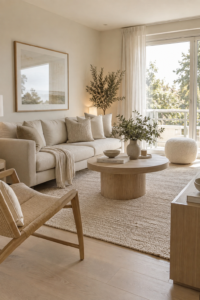
Furniture with exposed legs allows flooring to remain visible beneath every piece, creating uninterrupted sightlines that make the room appear larger. Sofas, chairs, and coffee tables with slender metal or wooden legs feel lighter than oversized upholstered furniture. Designers often favor elevated furniture because it minimizes visual weight while preserving comfort.
Selecting pieces with streamlined silhouettes prevents overcrowding and improves movement throughout the room. Rounded corners also help soften tight layouts, making circulation easier in compact spaces. Combined with lighter upholstery and subtle textures, legged furniture contributes to a refined designer aesthetic that balances practicality with timeless style.
8. Layered Lighting Design
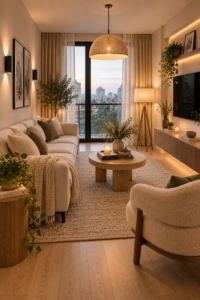
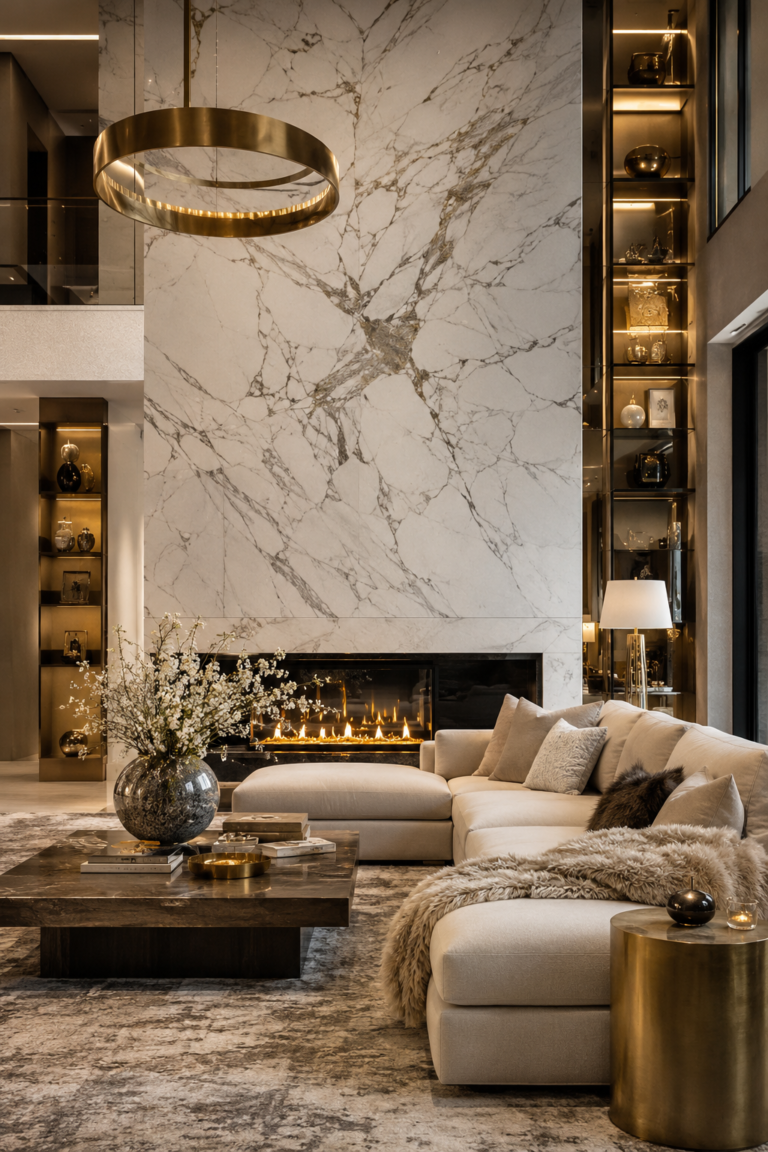
Designer living rooms rarely depend on a single ceiling fixture. Instead, multiple layers of lighting create warmth, depth, and visual interest throughout the space. Combining pendant lighting, wall sconces, floor lamps, and table lamps eliminates dark corners that can make compact rooms feel enclosed. Warm lighting instantly creates a welcoming atmosphere.
Using dimmable lighting allows the mood to shift throughout the day depending on activities or natural daylight levels. Accent lighting highlights artwork, shelving, and architectural features while increasing visual depth. Carefully positioned light sources make the room feel larger and more luxurious without requiring structural changes or expensive renovations.
9. Minimalist Open Shelving
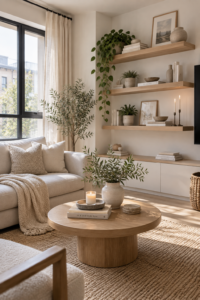
Floating shelves provide storage while maintaining an open, lightweight appearance compared to bulky cabinets. Designers carefully style shelves with books, ceramics, candles, and greenery, leaving generous empty space between decorative objects. This thoughtful arrangement creates visual balance instead of clutter, helping small rooms breathe naturally.
Maintaining a restrained color palette across displayed accessories keeps shelving cohesive and elegant. Rotating seasonal décor prevents overcrowding while refreshing the room throughout the year. Open shelving encourages intentional decorating, allowing every displayed object to contribute beauty while preserving valuable floor space below.
10. Cozy Reading Corner
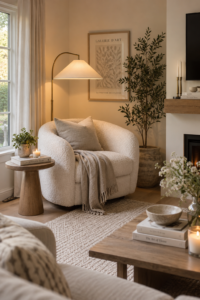
A dedicated reading corner transforms an overlooked corner into a comfortable retreat without requiring much space. A compact accent chair paired with a slim side table and warm floor lamp creates an inviting destination for relaxation. Designers often enhance these spaces with textured throws, soft cushions, and natural greenery.
Positioning the reading nook near a window maximizes daylight while making the entire room feel more functional. Keeping furniture proportional ensures the area remains visually balanced. This thoughtfully designed corner introduces personality and purpose while encouraging moments of quiet comfort within even the smallest living room.
11. Glass Coffee Table
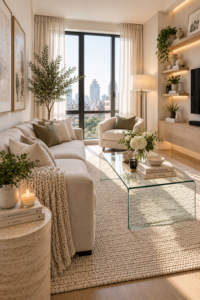
Glass furniture visually disappears within a room, allowing uninterrupted views across the floor. Transparent coffee tables reduce visual heaviness while maintaining full functionality for everyday use. Their reflective surfaces also bounce natural light throughout the space, contributing to a brighter atmosphere that feels noticeably more open.
Pairing glass with slim metal frames introduces sophistication without overwhelming compact interiors. Rounded glass tables further improve movement around furniture in tighter layouts. Designers frequently combine transparent pieces with textured rugs and upholstered seating to achieve balance between softness, elegance, and spaciousness.
12. Vertical Greenery
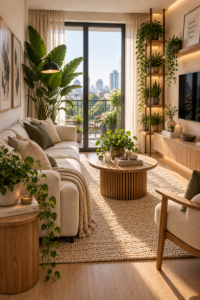
Vertical greenery introduces life and freshness without consuming valuable floor space. Tall plants such as fiddle leaf figs or olive trees naturally draw attention upward, emphasizing ceiling height while softening architectural lines. Designers frequently combine large statement plants with smaller tabletop greenery to create layered natural beauty.
Using decorative planters that coordinate with the room’s palette enhances visual cohesion. Healthy greenery also brings color into neutral interiors without requiring excessive decorative accessories. This organic approach creates a relaxing atmosphere while helping compact living rooms feel vibrant, stylish, and connected to nature.
13. Soft Textured Layers
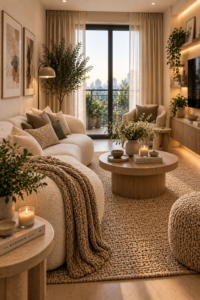
Texture creates richness within a neutral color palette, preventing minimalist spaces from feeling flat or sterile. Bouclé upholstery, woven rugs, knitted throws, linen cushions, and natural wood finishes add visual depth while maintaining simplicity. Designers carefully layer these materials to achieve warmth without unnecessary decoration.
Limiting textures to complementary natural materials ensures harmony throughout the room. Subtle variations in fabric and finishes create dimension while preserving a clean aesthetic. Layered textures make compact living rooms feel luxurious, inviting, and thoughtfully curated, proving that simplicity can still deliver exceptional designer appeal.
14. Hidden Storage Solutions
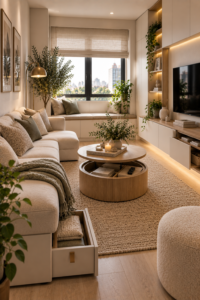
Hidden storage keeps everyday belongings organized while preserving a clutter-free environment essential for small spaces. Storage benches, concealed drawers, lift-top coffee tables, and built-in cabinetry provide practical solutions without sacrificing style. Designers prioritize furniture that discreetly stores items while maintaining clean architectural lines.
Keeping visible surfaces mostly clear allows decorative elements to stand out rather than compete with everyday clutter. Organized interiors naturally appear larger because visual distractions are minimized. Hidden storage encourages simple daily habits that maintain the polished, sophisticated atmosphere associated with professionally designed living rooms.
15. Designer Gallery Wall
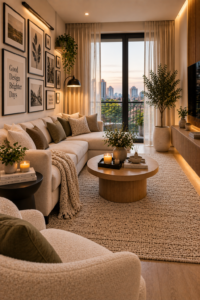
A carefully curated gallery wall introduces personality without requiring bulky decorative furniture. Designers often select artwork with cohesive color palettes and matching frames to maintain visual consistency. Balanced spacing between frames creates structure while allowing each piece to contribute individually to the overall composition.
Positioning artwork above the sofa establishes a striking focal point that anchors the seating area. Mixing photography, abstract prints, and subtle typography adds interest while preserving harmony. When thoughtfully arranged, a gallery wall elevates the entire room, giving even the smallest living room a refined designer finish that feels uniquely personal.