16 Decor Mistakes That Make Your Home Look Outdated
Home décor trends evolve over time, and even beautifully maintained homes can begin to feel outdated because of a few overlooked design choices. The good news is that refreshing your space doesn’t always require a complete renovation. Small updates like replacing heavy window treatments, improving lighting, or incorporating natural textures can instantly modernize your home while preserving its unique personality and charm.
These Pinterest-worthy decorating tips highlight common décor mistakes that can make a home feel older than it really is, along with stylish alternatives that create a fresh, timeless appearance. Whether you’re updating a single room or your entire home, these ideas will help you create interiors that feel bright, welcoming, and effortlessly modern without spending a fortune.
1. Using Tiny Area Rugs
One of the most common decorating mistakes is choosing an area rug that’s too small for the room. Tiny rugs make furniture appear disconnected and can make even spacious rooms feel awkward and unfinished. A correctly sized rug visually anchors the seating arrangement and creates a more cohesive layout.
Choose a rug large enough for at least the front legs of your furniture to rest on it comfortably. Neutral tones and textured materials help create warmth while complementing different decorating styles. This simple upgrade instantly makes the room feel more balanced and professionally designed.
2. Relying Only on Overhead Lighting
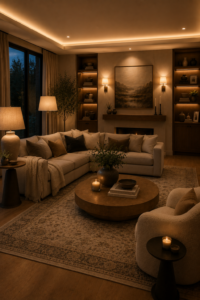
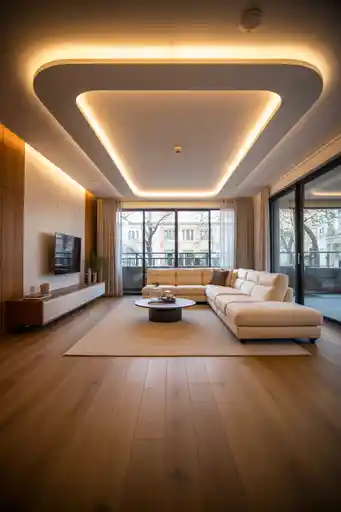
Harsh overhead lighting alone often makes rooms feel flat, cold, and outdated. Layering multiple light sources creates warmth while highlighting architectural features and decorative textures. Soft lighting also makes living spaces feel more comfortable and inviting during both daytime and evening hours.
Incorporate table lamps, floor lamps, wall sconces, and candles to achieve a layered lighting design. Warm white bulbs create a relaxing atmosphere that complements natural materials and neutral décor. This affordable change dramatically modernizes any room.
3. Matching Every Furniture Piece
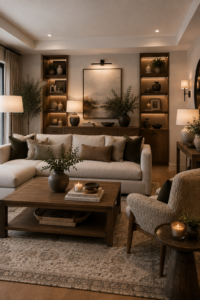
Buying every furniture piece from the same matching collection can make a room feel overly staged and outdated. Modern interiors achieve character by thoughtfully mixing different materials, finishes, and complementary styles while maintaining a cohesive color palette.
Combine wood tones, upholstered seating, and metal accents to create visual depth. Mixing vintage finds with contemporary furniture adds personality and warmth. This curated approach results in a home that feels collected over time rather than purchased all at once.
4. Heavy Window Treatments
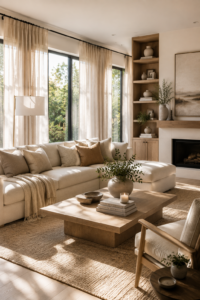
Dark, bulky curtains often block natural light and make interiors feel smaller and older. Modern spaces embrace bright, airy rooms filled with daylight that enhances furniture, textures, and architectural details. Lightweight fabrics instantly refresh the appearance of any room.
Replace heavy drapes with linen or sheer curtain panels that softly filter sunlight while maintaining privacy. Hanging curtains higher and wider than the window frame also makes ceilings appear taller. This simple update creates a brighter, more contemporary atmosphere.
5. Too Many Small Decorations
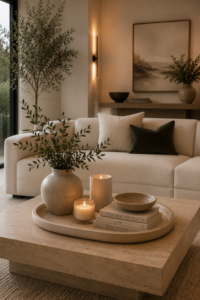
Displaying too many small decorative objects creates visual clutter that makes a home feel dated and overwhelming. Instead of filling every shelf or tabletop, focus on fewer, larger decorative pieces that create stronger visual impact and allow the room to breathe.
Group accessories thoughtfully using trays, stacked books, or varying heights for a curated appearance. Leaving intentional empty space helps each decorative item stand out. The result is a cleaner, more sophisticated interior.
6. Ignoring Layered Textures
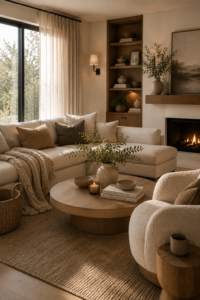
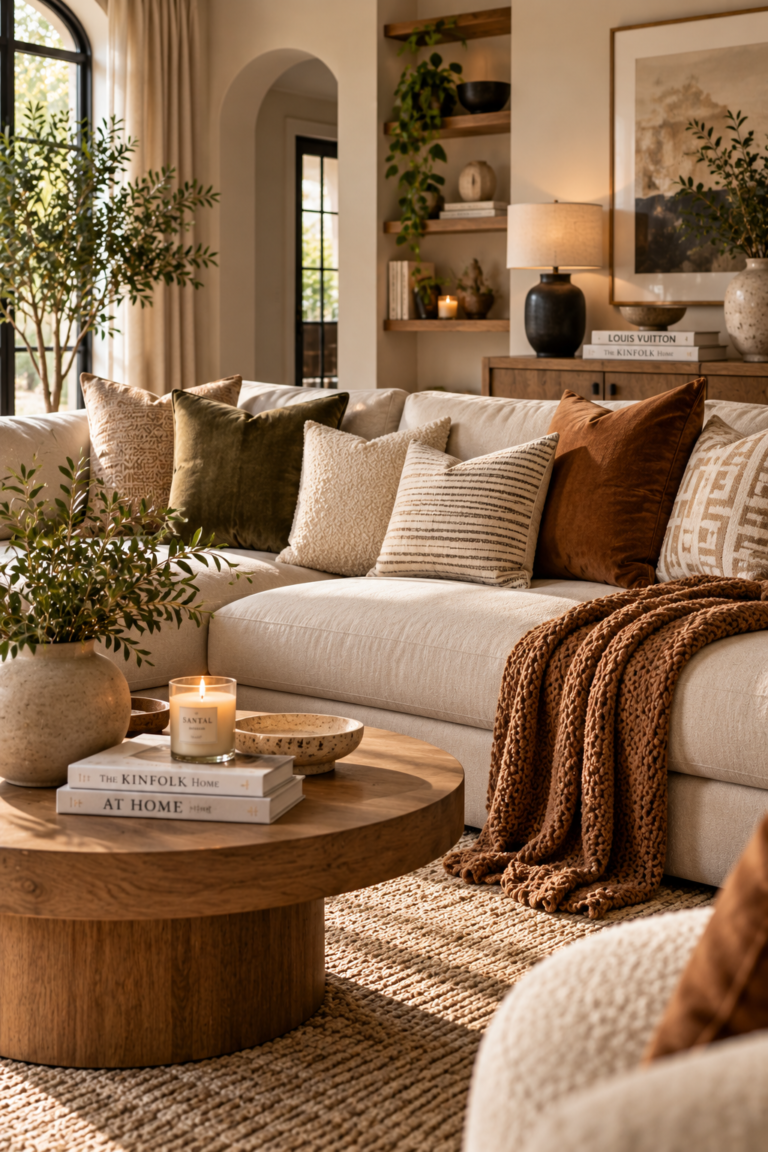
Rooms lacking texture often appear flat and unfinished, even when beautifully decorated. Modern interiors combine multiple materials such as linen, boucle, wood, wool, ceramics, and woven baskets to create warmth and visual interest without relying on excessive color.
Layer textured pillows, blankets, rugs, and natural materials throughout the room. Keeping the color palette neutral allows the textures to become the focal point. This decorating approach creates timeless comfort and elegance.
7. Pushing All Furniture Against the Walls
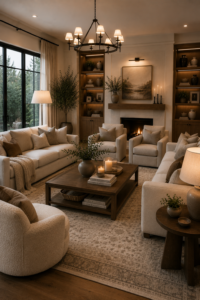
Many homeowners believe pushing furniture against every wall makes rooms appear larger, but it often creates empty spaces and awkward layouts. Floating furniture slightly inward encourages conversation while making the room feel more intentional and inviting.
Anchor the seating arrangement with an appropriately sized rug and central coffee table. Maintaining comfortable walking paths preserves openness while improving functionality. This simple furniture adjustment creates a professionally designed appearance.
8. Outdated Cabinet Hardware
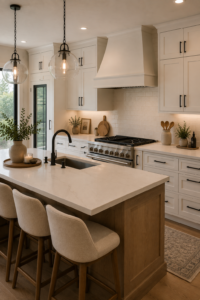
Old cabinet handles and drawer pulls can make kitchens and bathrooms feel outdated even if everything else looks beautiful. Replacing hardware is an affordable update that instantly modernizes cabinetry while adding personality and refined detail.
Choose matte black, brushed brass, or satin nickel finishes depending on your decorating style. Coordinating hardware throughout the room creates consistency and elegance. This quick upgrade offers impressive results with minimal effort.
9. Too Much Beige Without Contrast
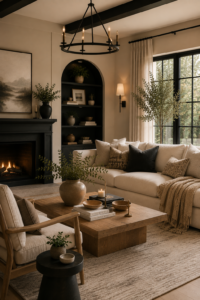
Although neutral colors remain timeless, decorating exclusively with beige can make interiors appear flat and uninspiring. Modern homes balance warm neutrals with contrasting textures, greenery, black accents, and natural wood to create visual interest while maintaining calm surroundings.
Introduce subtle contrast through decorative lighting, artwork, and textured textiles instead of bold colors. Indoor plants further brighten the palette while adding life to the room. The result feels balanced, welcoming, and contemporary.
10. Ignoring Wall Space
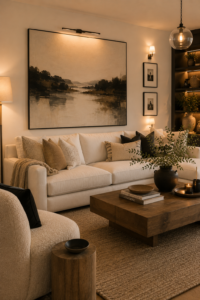
Leaving large walls completely empty often makes rooms feel unfinished, while filling them with tiny frames creates unnecessary clutter. Oversized artwork, statement mirrors, or thoughtfully arranged gallery walls provide balance and establish strong focal points.
Choose artwork that complements the room’s overall color palette without overpowering the décor. Proper placement at eye level ensures the display feels cohesive and intentional. This update instantly elevates the entire space.
11. Using Cool White Light Bulbs Everywhere
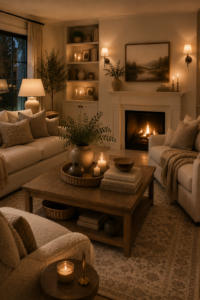
Bright cool-toned light bulbs often create a sterile atmosphere that feels more like an office than a home. Warm white lighting enhances wood tones, fabrics, and decorative textures while making interiors feel significantly more comfortable and inviting.
Replace existing bulbs with warm white LED options throughout living spaces and bedrooms. Layer additional lighting through lamps and sconces for even greater warmth. The overall mood immediately becomes softer and more welcoming.
12. Neglecting Indoor Plants
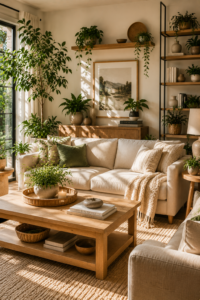
A room without greenery can sometimes feel lifeless, regardless of how stylish the furniture may be. Indoor plants introduce natural color, fresh texture, and a sense of calm that instantly modernizes interiors while improving their overall atmosphere.
Display plants of varying heights in ceramic or woven planters for a balanced arrangement. Position them near windows where natural light enhances both the plants and the surrounding décor. This simple addition makes every room feel fresher and more inviting.
13. Displaying Every Collection at Once
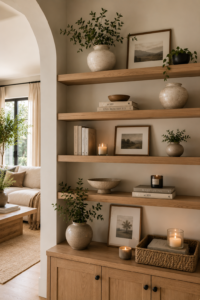
Displaying every collectible or decorative item simultaneously often overwhelms shelves and distracts from the room’s overall design. Modern interiors embrace curated displays with carefully selected pieces arranged thoughtfully to create breathing room and visual balance.
Rotate decorative collections seasonally to keep displays feeling fresh and uncluttered. Combining books, ceramics, candles, and greenery creates layered styling without appearing crowded. Less truly becomes more.
14. Skipping a Cohesive Color Palette
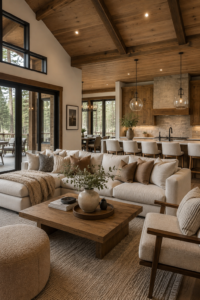
Using too many unrelated colors throughout the home can create visual confusion and make rooms feel disconnected. A consistent palette ties different spaces together while allowing decorative accessories and textures to stand out naturally.
Choose three to five complementary colors and repeat them throughout furniture, artwork, rugs, and accessories. Consistency creates harmony while maintaining enough variety to keep the design interesting. The home instantly feels more polished.
15. Outdated Faux Floral Arrangements
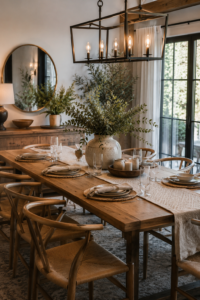
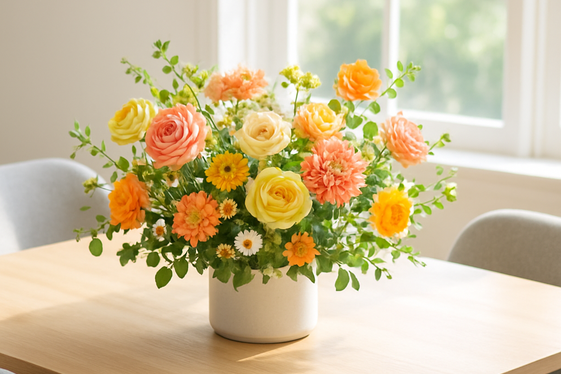
Old artificial flowers that have faded or collected dust can quickly date an otherwise beautiful room. Instead, choose realistic faux greenery, dried botanicals, or fresh flowers to introduce a more natural and sophisticated appearance.
Arrange stems loosely in ceramic or glass vases rather than overcrowding containers. Simple botanical displays create elegance while complementing modern interiors. This small styling change makes a surprisingly big impact.
16. Forgetting to Add Personal Character
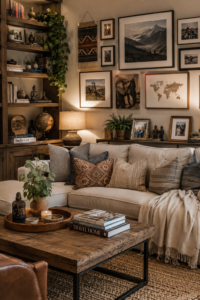
A perfectly styled room can still feel outdated or impersonal if it lacks meaningful touches that reflect the people who live there. Modern homes feel timeless because they combine beautiful design with personal stories, creating spaces that are both stylish and authentic.
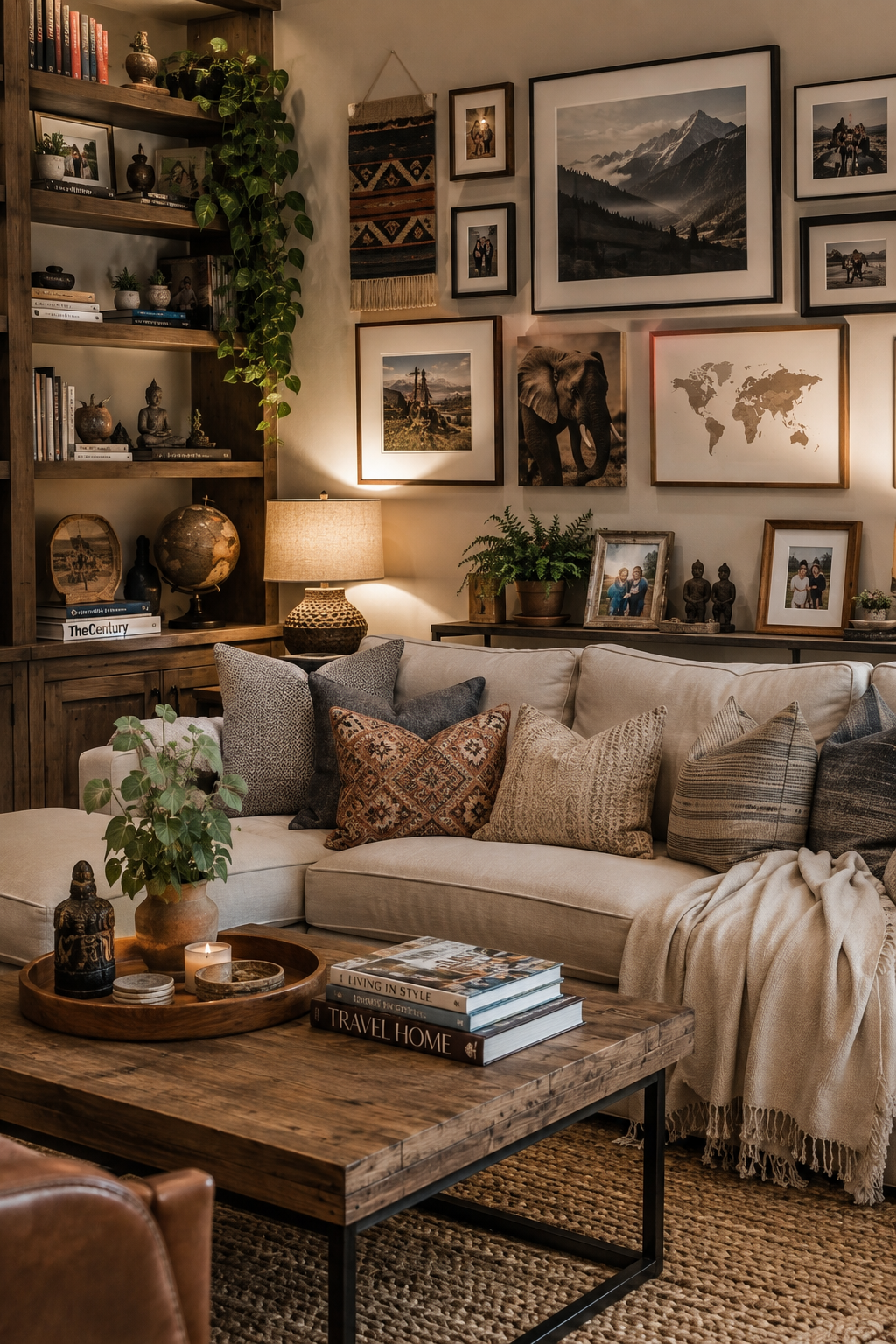
Display favorite books, framed photographs, travel souvenirs, handcrafted ceramics, or cherished artwork alongside your décor. Mixing personal items with elegant furnishings creates warmth and individuality without clutter. The result is a home that feels inviting, current, and uniquely yours while remaining effortlessly Pinterest-worthy.