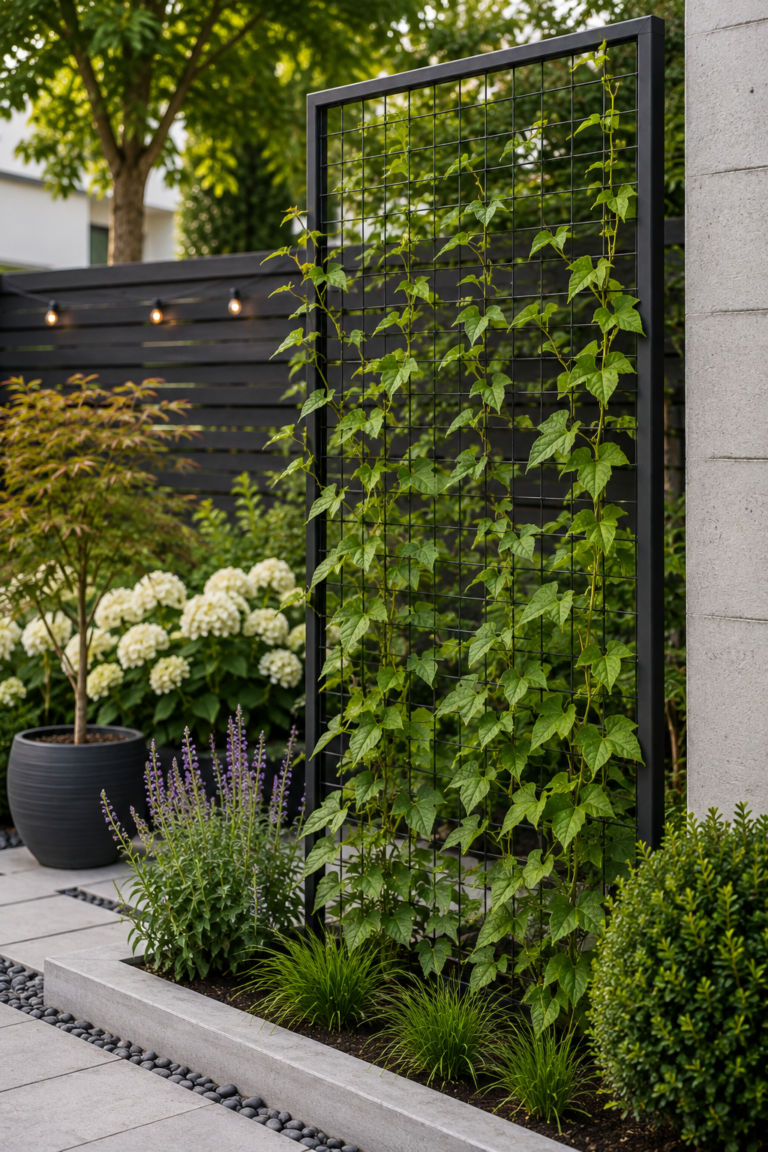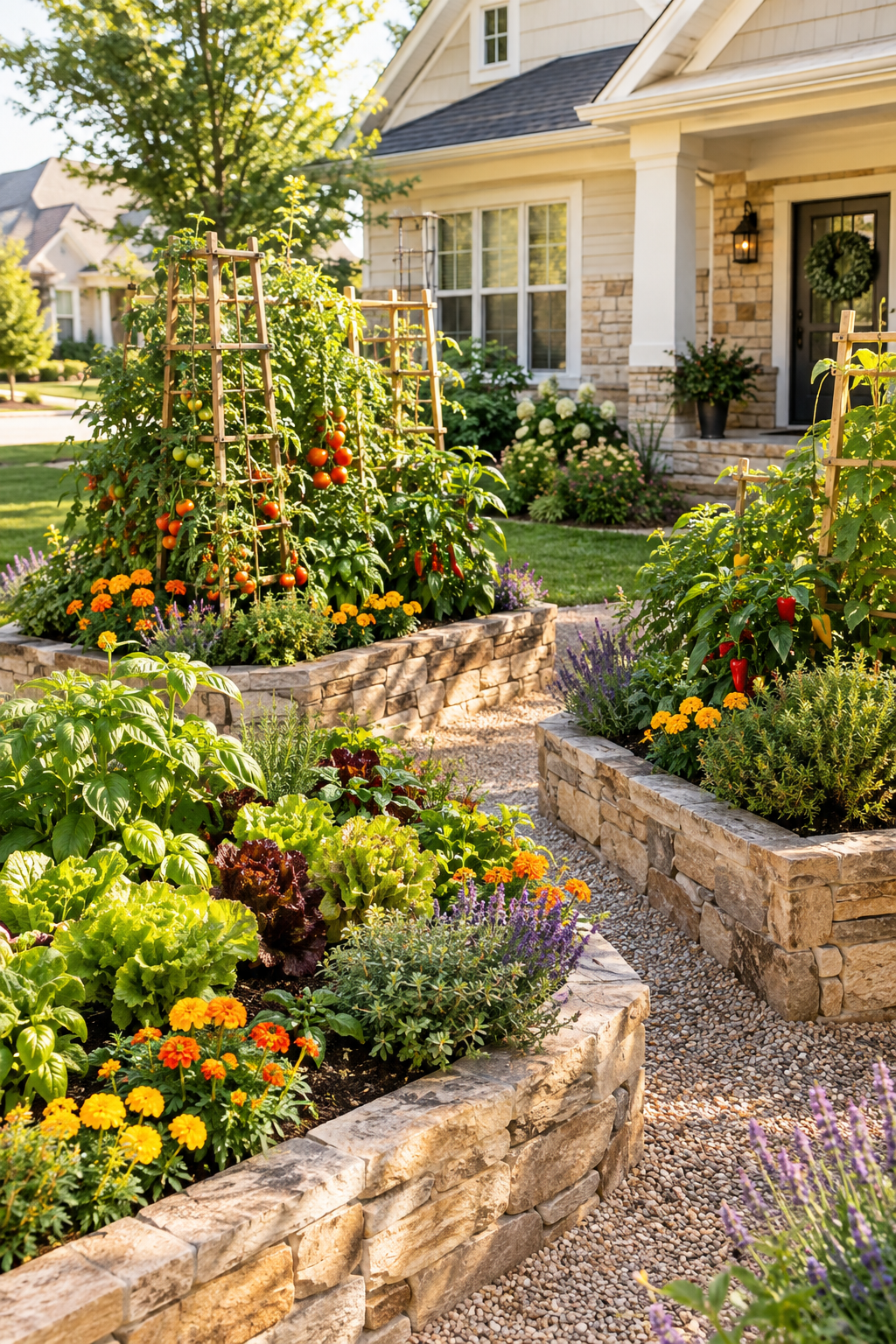
15 Front Yard Vegetable Garden Ideas for a Beautiful Harvest
A front yard vegetable garden can be productive without sacrificing curb appeal. With thoughtful layouts, attractive borders, colorful crops, and a few ornamental details, edible plants can become part of a polished landscape rather than looking like a separate utility area. From formal potager beds to relaxed cottage-style borders, there are plenty of ways to grow fresh food where neighbors and visitors can enjoy the view.
The best front yard gardens combine beauty, accessibility, and practical food production. Consider sunlight, mature plant size, pathways, irrigation, and the architectural style of your home before choosing a design. These 15 front yard vegetable garden ideas offer inspiration for spaces of every size, helping you create a welcoming outdoor area that delivers herbs, vegetables, fruit, flowers, and memorable Pinterest-worthy charm throughout the growing season.
1. Elegant Raised Beds With Stone Borders
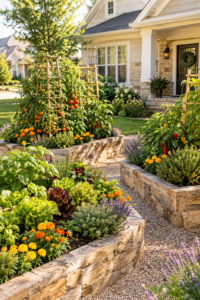
Raised beds framed with natural stone can turn a practical vegetable patch into a polished front-yard feature. Arrange two or three rectangular beds beside the walkway, leaving generous paths between them for easy care. Fill the beds with leafy greens, tomatoes, peppers, and herbs, then repeat the same stone around nearby flower borders. The coordinated edging helps the garden look intentional, tidy, and connected to the architecture of the home.
To keep the design attractive through every season, mix vegetables with compact ornamentals such as marigolds, alyssum, and dwarf lavender. Add a simple wooden trellis at the back of each bed for peas or cucumbers, creating height without blocking the house. A layer of dark mulch will suppress weeds and make foliage colors stand out. This combination offers strong curb appeal while producing an abundant, easy-to-reach harvest throughout the season.
2. Romantic Edible Cottage Garden
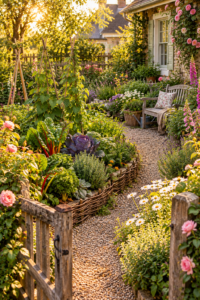
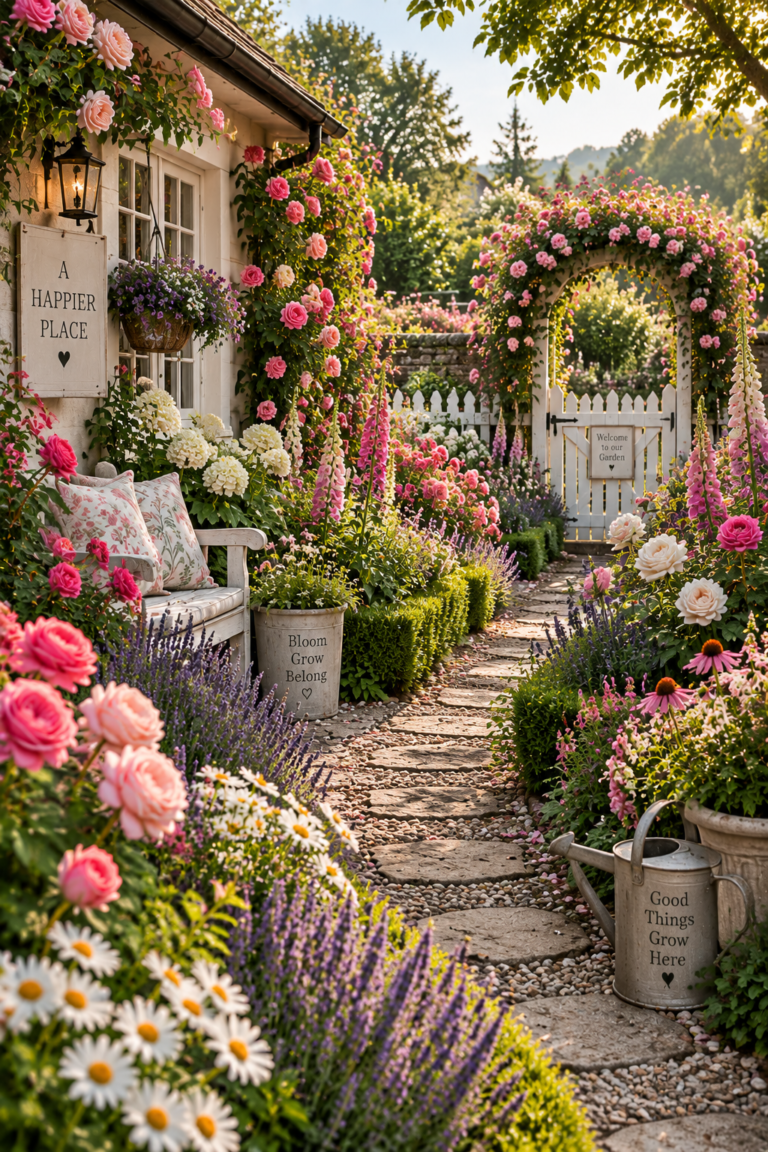
A cottage-style vegetable garden is perfect for homeowners who want their front yard to feel lush, informal, and welcoming. Instead of separating vegetables from flowers, blend kale, chard, lettuce, beans, and herbs among roses, daisies, and foxgloves. Allow plants to overlap slightly so the beds feel generous and layered. Curved borders, a winding gravel path, and a small gate can make the entire space resemble a charming storybook garden setting.
Choose vegetables with decorative qualities, including purple cabbage, rainbow chard, scarlet runner beans, and feathery carrot tops. Repeat flower colors throughout the beds to keep the composition cohesive rather than chaotic. Rustic details such as woven willow edging, vintage watering cans, and a weathered bench add personality without overwhelming the plants. The result is a productive landscape that feels romantic, relaxed, and especially appealing in polished Pinterest garden photographs online.
3. Symmetrical Potager Garden
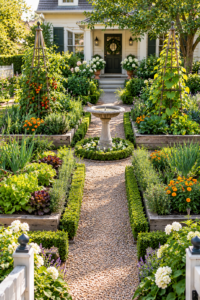
A symmetrical potager brings traditional European garden style to a modern front yard. Divide the space into four equal beds around a central focal point, such as a birdbath, planter, or small fruit tree. Use straight gravel paths and neatly clipped edging to create balance. Plant matching crops on opposite sides, repeating rows of lettuce, onions, herbs, and compact tomatoes. The orderly layout makes everyday food production feel elegant and carefully designed.
For a stronger visual effect, outline each bed with low boxwood, dwarf rosemary, or brick. Place taller vegetables toward the center and shorter crops along the paths so every plant remains visible. Decorative obelisks can support climbing beans while adding vertical structure. Because the design relies on repetition, even changing crops throughout the year will not disturb its refined appearance. This front-yard garden feels formal, practical, and beautifully organized from the street.
4. Fence-Line Vegetable Borders
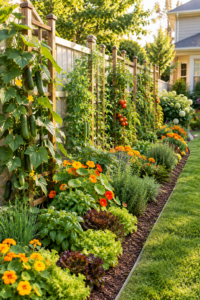
If your front yard has a fence, use the narrow strip beside it as a productive vegetable border. Long, linear beds are ideal for climbing beans, cucumbers, peas, and indeterminate tomatoes that can be trained upward. Plant lower crops such as lettuce, radishes, and herbs along the front edge. This approach keeps the center of the lawn open while transforming an overlooked boundary into a useful and visually appealing garden feature.
Paint or stain the fence in a soft neutral shade so green foliage and colorful produce become the main attraction. Add evenly spaced trellis panels for structure, and repeat flowering companions such as nasturtiums or calendula along the bed. Drip irrigation can be tucked neatly against the fence for simple maintenance. When carefully arranged, the border looks more like ornamental landscaping than a traditional vegetable plot, making it suitable for highly visible front yards.
5. Galvanized Trough Garden
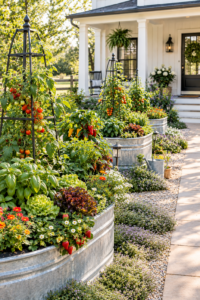
Galvanized metal troughs create a clean, farmhouse-inspired way to grow vegetables in the front yard. Their raised height reduces bending, improves drainage, and clearly defines the planting area. Position two or three troughs near a sunny walkway or porch, spacing them evenly for a balanced look. Fill them with rich soil and compact crops such as cherry tomatoes, peppers, basil, lettuce, and strawberries for a productive, colorful, and inviting display.
To soften the industrial metal, surround the troughs with gravel, creeping thyme, or small flowering plants. Wooden stakes and simple black trellises can support taller crops while complementing the containers. Choose troughs in matching sizes for a formal arrangement, or combine different heights for a relaxed country look. Because the beds are contained, weeds and spreading roots are easier to manage, making this idea attractive for gardeners who want style with less maintenance.
6. Colorful Vegetable and Flower Rows
Traditional rows can still look beautiful when vegetables and flowers are arranged by color. Alternate bands of green lettuce, purple kale, red chard, golden marigolds, and blue salvia to create a striped effect across the front yard. Keep each row straight and evenly spaced so the planting appears intentional. This simple approach makes the garden feel cheerful and organized while giving every crop enough light, airflow, and room to grow.
Select flowers that attract pollinators or help deter common pests, allowing beauty and function to work together. Nasturtiums, calendula, cosmos, and zinnias pair especially well with edible plants. Maintain crisp edges around the bed and add mulch between rows for a neat finish. As vegetables are harvested, replace them with quick-growing greens or annual flowers to avoid empty spaces. The constantly changing colors will keep the garden lively throughout the growing season.
7. Herb-Lined Front Walkway
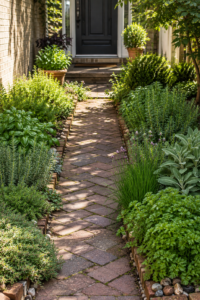
Turn the path to your front door into a fragrant edible garden by lining it with herbs. Use low-growing varieties such as thyme, parsley, chives, oregano, and compact basil along both sides of the walkway. Their varied textures create attractive edging while keeping fresh ingredients close to the kitchen. Add occasional taller accents, including rosemary or sage, to break up the line and give the border a more natural rhythm.
Choose herbs that suit the amount of sunlight beside the path, and place spreading varieties where they will not cover walking surfaces. Small labels, brick edging, or decorative stones can help the planting look structured. Allow thyme to soften corners and spill gently over the border. When visitors brush past the foliage, the plants release a pleasant scent. This design is especially effective for small front yards where every planting area needs to serve a purpose.
8. Vertical Trellis Vegetable Garden
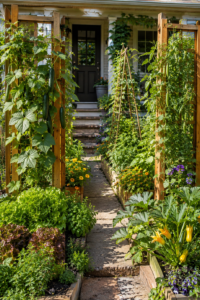
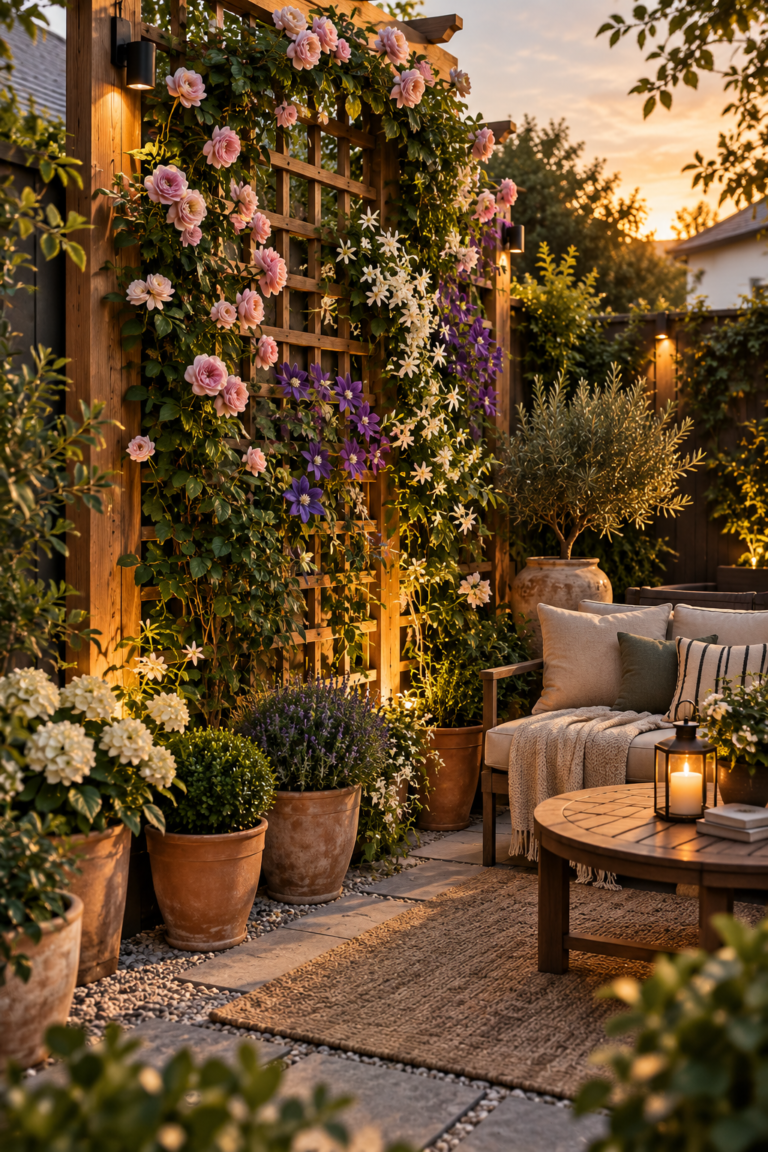
A vertical garden is ideal when the front yard is small but receives plenty of sun. Install decorative trellises, arched panels, or wooden screens and train peas, beans, cucumbers, and small squash varieties upward. Growing vertically saves ground space and creates a lush green backdrop for lower vegetables. Place the structures in a straight line or use them to frame an entrance, making the edible garden feel like an intentional landscape feature.
Select trellises that complement the home’s exterior, such as black metal for a modern house or natural cedar for a cottage. Plant lettuce, herbs, and flowers at the base to hide bare stems and keep the beds full. Regular pruning and tying will maintain a tidy shape as vines grow. When covered with foliage and produce, the structures provide privacy, shade, and dramatic height without requiring a large traditional vegetable plot.
9. Front Porch Container Harvest
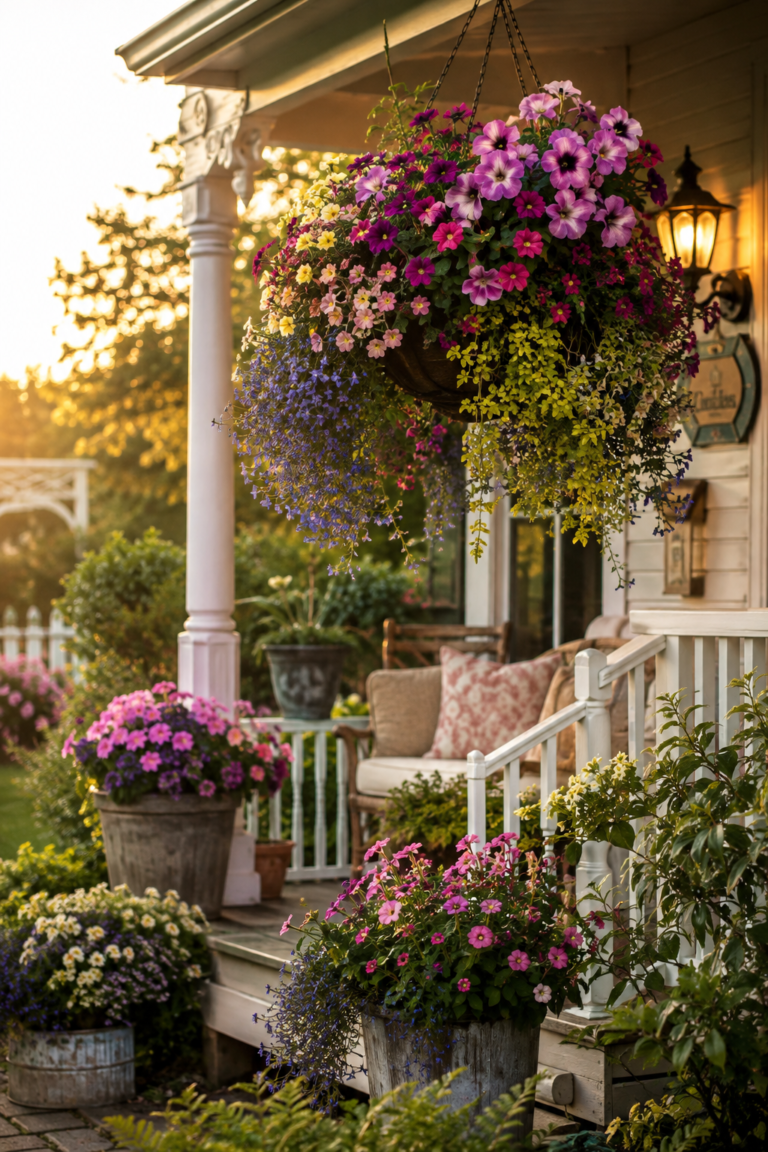
A sunny front porch can become a compact vegetable garden with a coordinated collection of containers. Use large pots for tomatoes, peppers, eggplants, and dwarf citrus, then fill smaller containers with herbs, lettuce, radishes, and strawberries. Arrange the tallest plants near walls or columns and shorter pots along the steps. Repeating two or three container colors will make the display feel curated rather than crowded beside the main front entrance.
Choose lightweight, weather-resistant planters with adequate drainage, and use wheeled stands for heavy pots that may need to be moved. Add trailing nasturtiums or strawberries around the edges to soften the containers. A narrow bench or tiered plant stand can provide extra growing space without blocking the entrance. This approach is renter-friendly, easy to rearrange, and perfect for creating an edible welcome that looks decorative from the street and sidewalk.
10. Low-Growing Edible Groundcover
Image Prompt: Photorealistic vertical Pinterest image of a front yard replacing lawn with edible groundcover, strawberries, creeping thyme, leafy greens, and compact herbs growing around stepping stones and curved vegetable beds, textured foliage, dwarf kale accents, soft natural landscape, eco-friendly curb appeal, 2:3 aspect ratio, no text.
Replace part of a traditional front lawn with low-growing edible plants that form an attractive living carpet. Strawberries, creeping thyme, leafy greens, and compact herbs can fill spaces between stepping stones or around larger vegetable beds. Use broad curves instead of scattered patches so the planting looks deliberate. This method reduces mowing while adding texture, fragrance, and seasonal harvests to areas that might otherwise provide little practical or visual value.
Before planting, remove turf thoroughly and improve the soil with compost so edible groundcovers establish quickly. Choose varieties that tolerate light foot traffic only for spaces close to paths, and provide stepping stones for regular access. Mix leaf shapes and shades to create contrast, then add a few upright accents such as chives or dwarf kale. The finished garden feels soft and natural while remaining productive, water-conscious, and visually connected to the wider landscape.
11. Circular Keyhole Garden
Image Prompt: Photorealistic vertical Pinterest image of a circular keyhole vegetable garden as a front-yard focal point, raised stone border, narrow gravel access path, central decorative pot, tomatoes and climbing beans in the middle, peppers, herbs, lettuce, and flowers around the edge, sculptural design, 2:3 aspect ratio, no text.
A circular keyhole garden creates a memorable focal point while making vegetables easy to reach. Build a round raised bed with a narrow path that leads into the center, allowing access to plants from both sides. Use brick, stone, or timber for the outer wall, and place a decorative pot or compost basket at the center. The distinctive shape adds movement and interest to a front yard dominated by straight lines.
Plant taller crops such as tomatoes, okra, or climbing beans near the middle, then transition to peppers, herbs, lettuce, and flowers toward the outer edge. Repeat colors around the circle to maintain balance from every viewing angle. Gravel inside the access path will keep feet clean and reduce weeds. Because the design is compact and efficient, it works particularly well in medium-sized front yards where a single sculptural bed can replace several ordinary rows.
12. Mailbox Mini Vegetable Garden
Image Prompt: Photorealistic vertical Pinterest image of a charming mini vegetable garden surrounding a suburban mailbox, curved brick-edged bed with cherry tomatoes, peppers, bush beans, colorful lettuce, herbs, flowers, and a cucumber vine climbing the post, neat roadside landscaping, cheerful daylight, 2:3 aspect ratio, no text.
The area around a mailbox can support a surprisingly charming edible garden. Create a small curved bed and plant compact vegetables such as cherry tomatoes, peppers, bush beans, and colorful lettuce. Use the mailbox post as a support for a lightweight cucumber vine or scarlet runner bean. Surround the crops with herbs and flowers so the space feels decorative, welcoming, and integrated with the rest of the front landscape design.
Keep mature plant size in mind so foliage does not block house numbers, street visibility, or mail access. A low stone or brick border will protect the bed and give it a finished appearance. Choose drought-tolerant herbs and flowers if the area is far from a water source. With regular pruning and harvesting, this small garden can remain tidy while delivering fresh produce and a memorable burst of color at the edge of the property.
13. Modern Geometric Vegetable Beds
Image Prompt: Photorealistic vertical Pinterest image of a contemporary front-yard vegetable garden with geometric steel and dark wood raised beds, rectangular layout, pale gravel and concrete pavers, kale, lettuce, rosemary, tomatoes, slender black trellises, minimal white flowers, sleek modern architecture, 2:3 aspect ratio, no text.
For a contemporary home, design vegetable beds with strong geometric shapes and minimal materials. Use long rectangles, squares, or L-shaped planters made from steel, smooth concrete, or dark-stained wood. Arrange them parallel to the house or walkway for a crisp architectural effect. Limit the plant palette to a few crops, such as kale, lettuce, rosemary, and upright tomatoes, repeating them in blocks rather than mixing them randomly throughout the beds.
Cover paths with pale gravel or large concrete pavers to emphasize the clean lines. Add slender black trellises and discreet drip irrigation so practical elements remain visually controlled. Avoid decorative clutter, allowing foliage forms and planter shapes to provide interest. A few ornamental grasses or white flowers can soften the composition without changing its modern character. This approach proves that a vegetable garden can feel sleek, sophisticated, and fully compatible with contemporary curb appeal.
14. Pollinator-Friendly Edible Garden
Image Prompt: Photorealistic vertical Pinterest image of a pollinator-friendly edible front garden filled with tomatoes, squash, cucumbers, herbs, lavender, coneflowers, cosmos, borage, and sunflowers, bees and butterflies, curved borders, clear paths, colorful abundant planting, soft summer sunlight, 2:3 aspect ratio, no text.
A pollinator-friendly front-yard garden combines vegetables with nectar-rich flowers that support bees, butterflies, and other beneficial insects. Plant tomatoes, squash, cucumbers, and herbs among lavender, coneflowers, cosmos, borage, and sunflowers. Group flowers in noticeable clusters rather than placing single plants throughout the bed. The abundance of color creates a lively landscape while improving pollination for many fruiting crops and encouraging a healthier, more resilient garden ecosystem throughout your home landscape.
Include flowers that bloom at different times so pollinators have food from spring through fall. Provide a shallow water dish with stones, avoid harmful pesticides, and leave a small patch of bare soil for ground-nesting bees. Keep the overall design organized with curved borders, repeated colors, and clear paths. The garden will feel abundant rather than messy, offering fresh produce, seasonal flowers, and constant movement that makes the front yard especially photogenic.
15. Four-Season Succession Garden
Image Prompt: Photorealistic vertical Pinterest image of a four-season front-yard vegetable garden with permanent raised beds and trellises, mixed spring greens, summer tomatoes and beans, autumn kale and beets, seasonal flowers filling gaps, evergreen edging, organized succession planting, polished year-round curb appeal, 2:3 aspect ratio, no text.
A succession-planted front yard stays productive and attractive by replacing finished crops with new seasonal varieties. Begin with spring peas, radishes, spinach, and lettuce, then transition to tomatoes, peppers, beans, and cucumbers for summer. In late summer, sow kale, carrots, beets, and cool-weather greens for autumn. Planning these transitions prevents bare soil and ensures the garden continues to look full, colorful, and cared for throughout the entire year with ease.
Create a simple planting calendar and keep young seedlings ready before older crops are removed. Use permanent features such as raised-bed frames, trellises, herbs, and evergreen edging to maintain structure between harvests. Seasonal flowers can fill temporary gaps and provide quick color. In mild climates, add winter greens or ornamental cabbage for continued interest. This strategy maximizes food production while giving the front yard a polished appearance in every season, not only at peak harvest time.
Conclusion
A beautiful front yard vegetable garden proves that edible landscaping can be both practical and decorative. By selecting a layout that suits your home, repeating materials and colors, and mixing crops with flowers or herbs, you can create a space that feels intentional from the sidewalk while providing fresh seasonal food.
Start with one manageable bed, border, or container grouping, then expand as you learn what grows best in your conditions. With regular harvesting, tidy pathways, and thoughtful succession planting, your front yard can become one of the most attractive and productive areas of your home.